The Ultimate Guide to Piano Tuning: Frequency, Methods, and the Importance of Stretch Tuning
Introduction
If you own a piano, regular tuning is essential to maintain its sound quality and longevity. Whether you’re a professional musician, a piano enthusiast, or someone who enjoys playing occasionally, understanding how often piano tuning should be done and the different piano tuning methods can help you make informed decisions about maintaining your instrument. In this comprehensive guide, we’ll explore topics such as player piano tuning, stretch tuning, how to know if your piano needs tuning, and piano tuning services in Dallas and Austin.
How Often Does a Piano Need Tuning?
One of the most common questions piano owners ask is, “How often does a piano need tuning?“ The answer depends on various factors, including the age of the piano, how frequently it is played, and environmental conditions.
1. General Recommendations for Piano Tuning Frequency
- New Pianos (0-2 years old): Require tuning 3-4 times per year as the strings stretch and settle.
- Home Pianos (Light Use): Should be tuned at least twice a year to maintain proper pitch and sound quality.
- Professional & Performance Pianos: Tuned before every major performance, often once a month or more.
- Older Pianos & Vintage Instruments: Require consistent maintenance and tuning, depending on their condition.
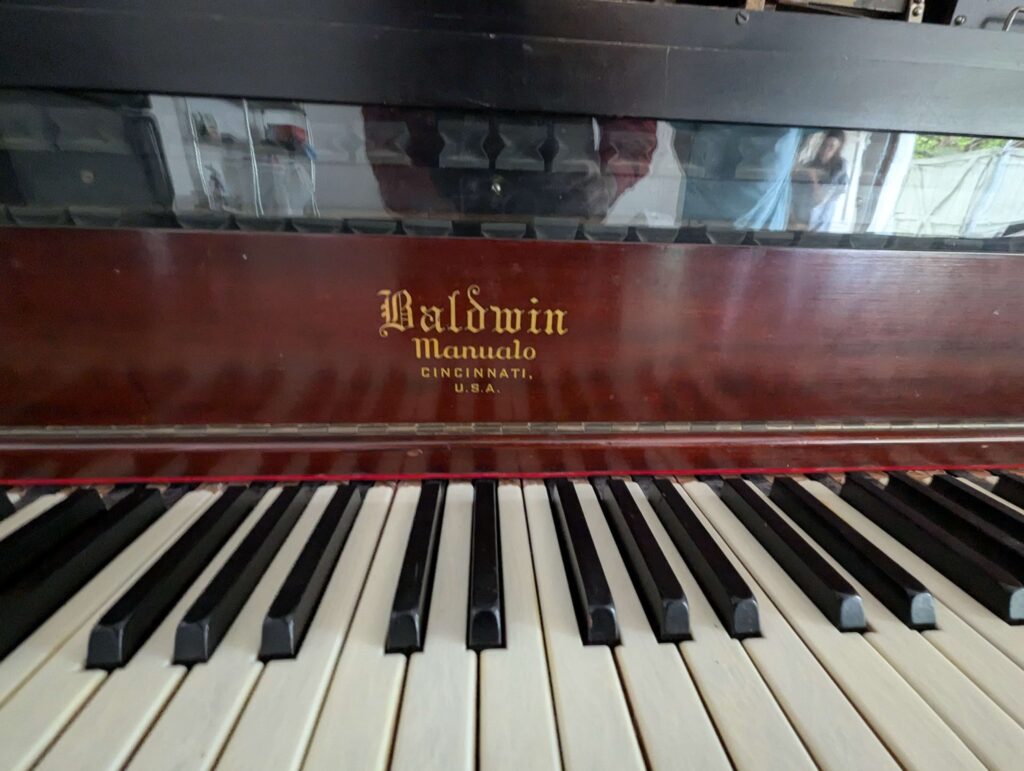
If you’re in Texas and searching for a professional tuner, consider Dallas piano tuning or piano tuning in Austin to find experienced specialists.
How to Know If Your Piano Needs Tuning?
Many piano owners struggle to determine when their instrument needs tuning. Here are some common signs:
- Your piano sounds “off”: If a piano starts sounding slightly sharp or flat, it may be time for a tune-up.
- You hear unpleasant vibrations: Unusual dissonance in chords often means the tuning is off.
- Keys produce inconsistent sound: If some notes sound louder or softer than others, your piano might need adjustment.
- It has been over six months since your last tuning: Even if your piano sounds fine, regular tuning prevents long-term pitch drift.
If you notice these signs, search for a piano tuning service near me to schedule an appointment with a professional.
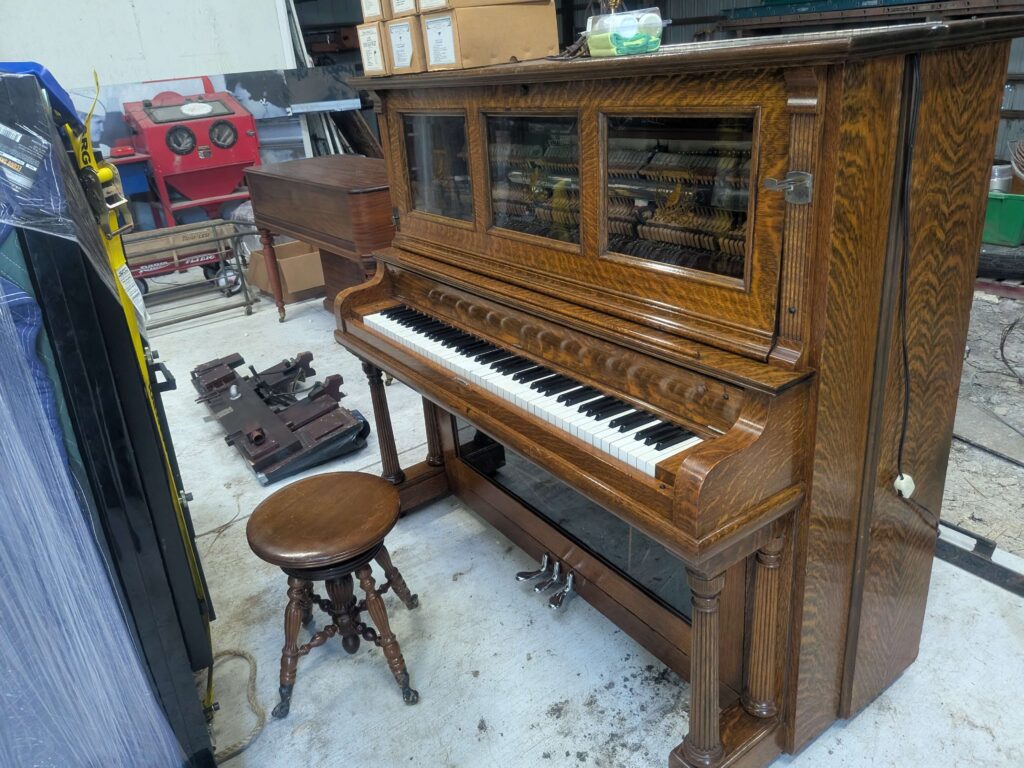
Types of Piano Tuning Methods
1. Standard Equal Temperament Tuning
This is the most common tuning method, ensuring that every note is evenly spaced and in tune with others.
2. Stretch Tuning Piano
Also called piano stretch tuning, this method slightly sharpens higher notes and flattens lower notes to make the piano sound more natural. This is often used by professional tuners like those specializing in Dallas piano tuning and Miller piano tuning.
3. Historical or Non-Equal Temperament Tuning
Used for period instruments or special performances, this method allows for different tonal colors depending on the piece played.
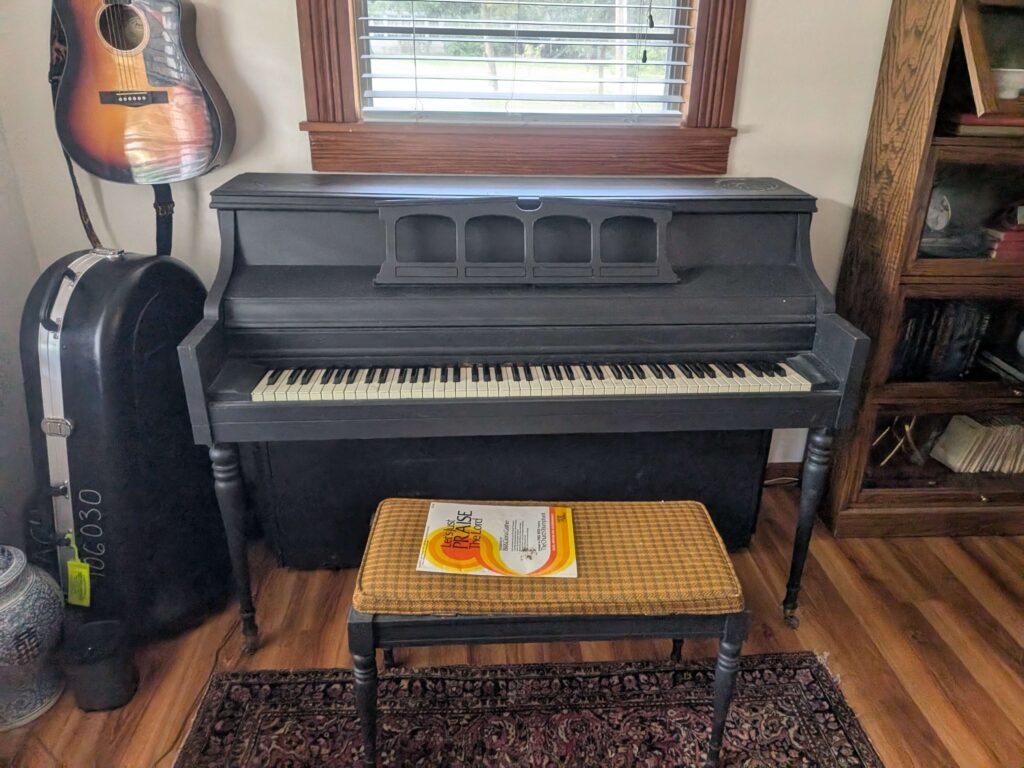
What Is Stretch Tuning and Why Is It Important?
Stretch tuning is an advanced tuning technique used by experienced tuners to optimize the sound of a piano. Unlike equal temperament tuning, which assumes mathematical precision, stretch tuning takes into account the unique harmonics of each piano.
Benefits of Stretch Tuning
- Makes the piano sound more natural and pleasing to the ear.
- Ensures that bass notes and treble notes resonate harmoniously.
- Preferred method for concert and professional pianos.
If you’re looking for an expert in stretched tuning for your piano, search for a piano tuning service in Dallas or Austin.
Piano Tuning Costs and Considerations
Factors That Affect Piano Tuning Cost
- Condition of the piano: If it hasn’t been tuned in years, it may require multiple tuning sessions.
- Type of tuning required: Standard tuning is cheaper than advanced methods like player piano tuning or stretch tuning.
- Location: Costs can vary between cities. For example, piano tuning in Dallas might be priced differently than piano tuning in Austin.
- Type of piano: Grand pianos, uprights, and player pianos all require different levels of service.

Finding the Best Piano Tuning Service Near You
For those in Texas, whether you’re in Dallas, Austin, or the surrounding areas, finding a qualified tuner is crucial. Some of the best services include:
- Miller Piano Tuning – Well-known for professional and high-quality piano maintenance.
- Dallas Piano Tuning Experts – Specializing in stretch tuning, antique piano restoration, and player piano service.
- Piano Tuning Service in Austin – Providing tuning, repairs, and refurbishing for all types of pianos.
Conclusion
Proper piano maintenance is essential for preserving the sound quality and value of your instrument. Understanding piano tuning frequency, player piano tuning, stretch tuning, and different piano tuning methods can help ensure your piano stays in optimal condition. If you’re in Texas and looking for professional services, consider searching for piano tuning near me, piano tuning Dallas, or piano tuning Austin to find expert tuners in your area.
Schedule your piano tuning today and experience the difference a perfectly tuned instrument can make!