Understanding Piano Types and Their Tuning Needs
As a gigging musician, maintaining your piano’s optimal sound quality is crucial for delivering exceptional performances. Regular tuning ensures that your instrument remains harmonious and responsive, regardless of the demands of frequent gigs. This guide provides practical advice on tuning schedules, considering different piano types and the specific needs of genres like jazz, classical, and pop.
Understanding Piano Types and Their Tuning Needs
Different pianos have varying maintenance requirements:
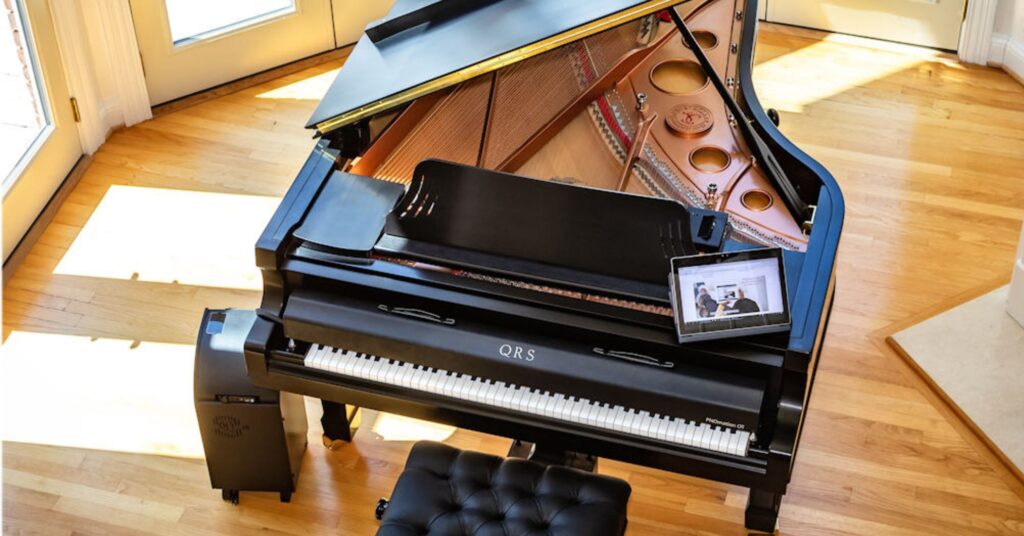
- Grand Pianos: Known for their rich tone and dynamic range, grand pianos are sensitive to environmental changes. Regular tuning is essential to maintain their superior sound quality.
- Upright Pianos: More compact and commonly used in smaller venues, upright pianos are generally more stable but still require consistent tuning, especially with frequent use.
- Digital Pianos: While digital pianos don’t require traditional tuning, periodic maintenance ensures their electronic components function correctly, providing reliable performance during gigs.
Genre-Specific Considerations
The genre of music you perform influences how often your piano should be tuned:
- Jazz: Jazz performances often involve complex harmonies and improvisation, demanding precise tuning to ensure clarity and expression. Regular tuning is vital to accommodate the genre’s dynamic nuances.
- Classical: Classical music requires exacting standards of pitch and tone. Even slight deviations can affect the integrity of a performance, making frequent tuning essential.
- Pop: Pop music’s broad appeal and varied arrangements necessitate a well-tuned piano to deliver the desired sound, especially during live performances.
Challenges Faced by Gigging Musicians
Regular performers encounter specific challenges that can affect a piano’s tuning stability:
- Environmental Changes: Frequent transportation exposes pianos to varying temperatures and humidity levels, leading to tuning instability. Maintaining a stable environment as much as possible can mitigate these effects.
- Frequent Use: Regular playing, especially with vigorous styles, can cause strings to stretch and components to wear, necessitating more frequent tuning.
- Venue Conditions: Different venues may have varying acoustics and climates, impacting your piano’s performance. It’s advisable to check the venue’s conditions beforehand and plan accordingly.
Recommended Tuning Frequency
Considering these factors, gigging musicians should adopt the following tuning schedule:
- Before Major Performances: Ensure your piano is tuned before any significant gig to guarantee optimal sound quality.
- After Transportation: Moving a piano can disrupt its tuning. Schedule a tuning session after relocating your instrument to a new venue.
- Seasonal Changes: Environmental shifts between seasons can affect tuning stability. Plan for additional tuning sessions during these times.
- Regular Maintenance: Even without major events, a bi-monthly tuning schedule helps maintain your piano’s performance, especially with frequent use.
Conclusion
Regular tuning is essential for gigging musicians to maintain their piano’s sound quality and ensure consistent performance. By understanding your instrument’s specific needs and the demands of your musical genre, you can establish a tuning routine that keeps your piano in peak condition, allowing you to focus on delivering outstanding performances.
For professional piano tuning services in Texas, including Dallas, Fort Worth, Waco, Stephenville, and Austin, Clare’s Player Pianos offers expert maintenance to keep your instrument performance-ready.